
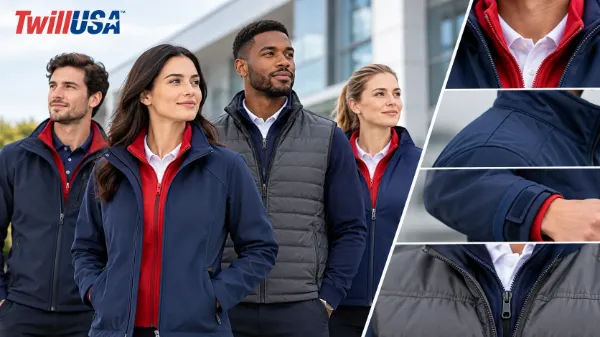
A premium team uniform does more than display a name, number, or logo. It creates a recognizable visual identity through texture, contrast, color, and carefully selected details. Layered decoration gives athletic apparel greater depth and personality. Materials such as applique twill and reflective HTV vinyl help designers introduce distinctive finishes while keeping team apparel functional, recognizable, and visually refined.
Why Layered Details Matter in Team Apparel?
Uniform design often starts with a simple goal: make the team easy to recognize. The base is provided by colors, logos, names, and numbers, but little details in terms of materials can make a big difference in terms of how the completed garment looks.
The flat design can be used to convey information effectively, and the layered design can add another layer to the decoration. Various fabrics reflect light in different ways, and contrasting fabrics make lettering and graphics pop off the fabric.
This way you'll have greater control over visual hierarchy. The team logo can have a dimensional effect, and player numbers finish with a contrasting finish. Supporting details may remain simple so the primary elements receive more attention.
The overall impression is of a deliberate, but not overwhelming, design.
How Texture Adds Visual Depth?
Texture is one of the key elements to creating a unique appearance of sportswear. Designers can use soft surfaces on some garments and textured fabrics with others to provide some contrast without getting too close to other colors.
Tackle twill and other fabric-based decoration methods bring a recognizable athletic character to jerseys. Mono-layer design also adds a level of dimension around letters, numbers, and logos and other graphics.
Texture can be used in designs to:
- Highlight team names and player numbers.
- Create stronger contrast between garment and decoration.
- Give logos a more substantial appearance.
- Add visual interest to simple uniform colors.
- Establish consistency across different apparel pieces.
The key involves balance. Too many textures may compete for attention, while carefully selected layers help individual elements work together.
Why Applique Details Create a Premium Appearance?
Fabric applique gives team apparel a classic sports-inspired appearance while adding dimension to the design. Applique twill works particularly well for lettering, numbers, logos, and other graphic elements where designers want a fabric-based finish.
Layering also can offer some chances with regard to contrast. One fabric can be layered over another to create an outline or edge around a letter or number to make it stand out. This approach makes important graphics easier to distinguish from the garment.
There's also a factor of color selection to consider. When contrasting colors are used, the design will stand out more from a distance, but if it falls into complementary shades, the design will be more harmonious.
For a team with a familiar name, these kinds of details create a thorough visual system, which helps the team have a cohesive look. If the team has a recognizable name, these details may transform the particular uniform into a definite visual system, assisting the team in looking cohesive.
How Layering Supports Team Identity?
A team brand is not defined by a logo. It is created by the same visual components, replicated over uniforms, warm-ups, fan apparel, jackets, bags, and more.
Layered decoration is another way of keeping that identity, providing teams with multiple opportunities to repeat colors, shapes, textures, and typography.
For example, a team might use:
- A primary layered logo on jerseys.
- Coordinated lettering on jackets.
- Matching numbers on practice apparel.
- Contrasting details on fan shirts.
- Consistent colors across accessories.
It creates a sense of unification between the various garments if all of the elements are based around the same design language.
Consistency also helps teams build recognition over time. Color, lettering patterns, and fancy finishes soon begin to be linked to the organization by the players and supporters.
Where Contrast Makes the Biggest Difference
While contrast enhances the beauty of a design, it does more than that. It enables the viewers to know what to concentrate on first.
A large team name may use a bold fabric layer, while smaller supporting text receives a simpler treatment. Player numbers may use a contrasting color so officials, teammates, and spectators identify them quickly.
The designers can design contrast in the following ways:
- Color: Using light and dark colors will produce a definite separation.
- Texture: Depth can be created by mixing smooth and textured surfaces.
- Scale: Larger graphics naturally receive greater visual emphasis.
- Layering: use of overlapping materials to add dimension.
- Finish: Different surface effects help separate adjacent elements.
A premium appearance often comes from using these differences with restraint rather than adding every possible effect.
How Reflective Details Add Function and Style?
Performance apparel sometimes needs to balance appearance with visibility. Running teams, cycling clubs, outdoor clubs, and athletic organizations can utilize reflective decoration to aid with visibility during lower light hours.
In addition to its reflective properties, reflective HTV vinyl allows designers to make eye-catching color choices, but not those that alter a design's identity. Reflective can be arranged around numbers, logos, names, or certain graphic elements.
Whether you choose a small shiny detail or a larger reflective feature, it will add a stylish touch. A small shiny detail can make for a nice touch, while a large reflective area will make a strong statement. Placement decisions must be based on the design of the garment, the size of the graphics, and the distance of the viewing point from the garment and the activity to be performed.
The strongest designs treat visibility as part of the overall visual system rather than as an afterthought.
Conclusion: Make Every Layer Count
A premium team look does not come from adding decoration simply for visual impact. It comes from choosing materials, colors, textures, and placement with purpose. Layered details create depth, improve contrast, and give teams more opportunities to express a consistent identity.
Applique twill remains a strong choice for teams seeking dimensional fabric decoration with a classic athletic character. When designers combine thoughtful layering with disciplined color selection and purposeful placement, even familiar uniform elements gain a more distinctive finish.
For teams, decorators, and apparel designers exploring better ways to bring these ideas together, Twill USA provides a range of materials and decoration solutions suited to custom sports apparel. Explore the possibilities and make every layer contribute to a stronger team identity.
FAQs
What makes layered apparel look more premium?
Layered apparel looks more premium when designers combine texture, color, contrast, and placement with purpose. Spacing and spotless application also help to achieve a more finished look.
Is fabric decoration suitable for sports uniforms?
Yes. Fabric-based decoration works well for sports uniforms, particularly for team names, numbers, logos, and other graphic elements that benefit from added texture and dimension.
How does texture affect uniform design?
Texture creates visual contrast and gives flat garments more depth. Designers may combine different surfaces to highlight important elements without adding excessive colors.
Where do reflective details work well on athletic apparel?
Reflective elements are perfect for running shirts, cycling jerseys, outdoor sportswear, and other situations where visibility during lower-light conditions matters.
How do teams avoid making layered uniforms look too busy?
The number of colors, textures, and decorative finishes is limited by teams. Creating visual hierarchy is an effective way to make important elements stand out and support the details to keep it balanced.